
Women Empowerment

  1. Home
  2. Services
  3. Women Empowerment

In post-conflict and fragile settings like Iraq, women and girls face intersecting vulnerabilities: limited access to education, economic exclusion, gender-based violence, restricted mobility, and underrepresentation in decision-making. Yet they are also pillars of resilience as caregivers, breadwinners, peacebuilders, and community leaders.

At Al-Liqaa Foundation, we recognize that empowering women is not only a human right it is essential for recovery, stability, and sustainable development.

Cross-Cutting Principles

A future in which women and girls in Iraq especially those affected by conflict, displacement, and marginalization lead with dignity, safety, and agency in their homes, communities, and society.

Impact in Action

When a Yazidi artisan in Sinjar receives a grant to reopen her embroidery workshop, she doesn’t just earn an income she revives cultural heritage, employs other women, and reclaims her place in the community. When a “Women for Peace” group in Anbar mediates a land dispute, they don’t just resolve conflict they model inclusive leadership for the next generation. This is empowerment: not as a project, but as a process of transformation.
Why Is Women’s Empowerment Important?

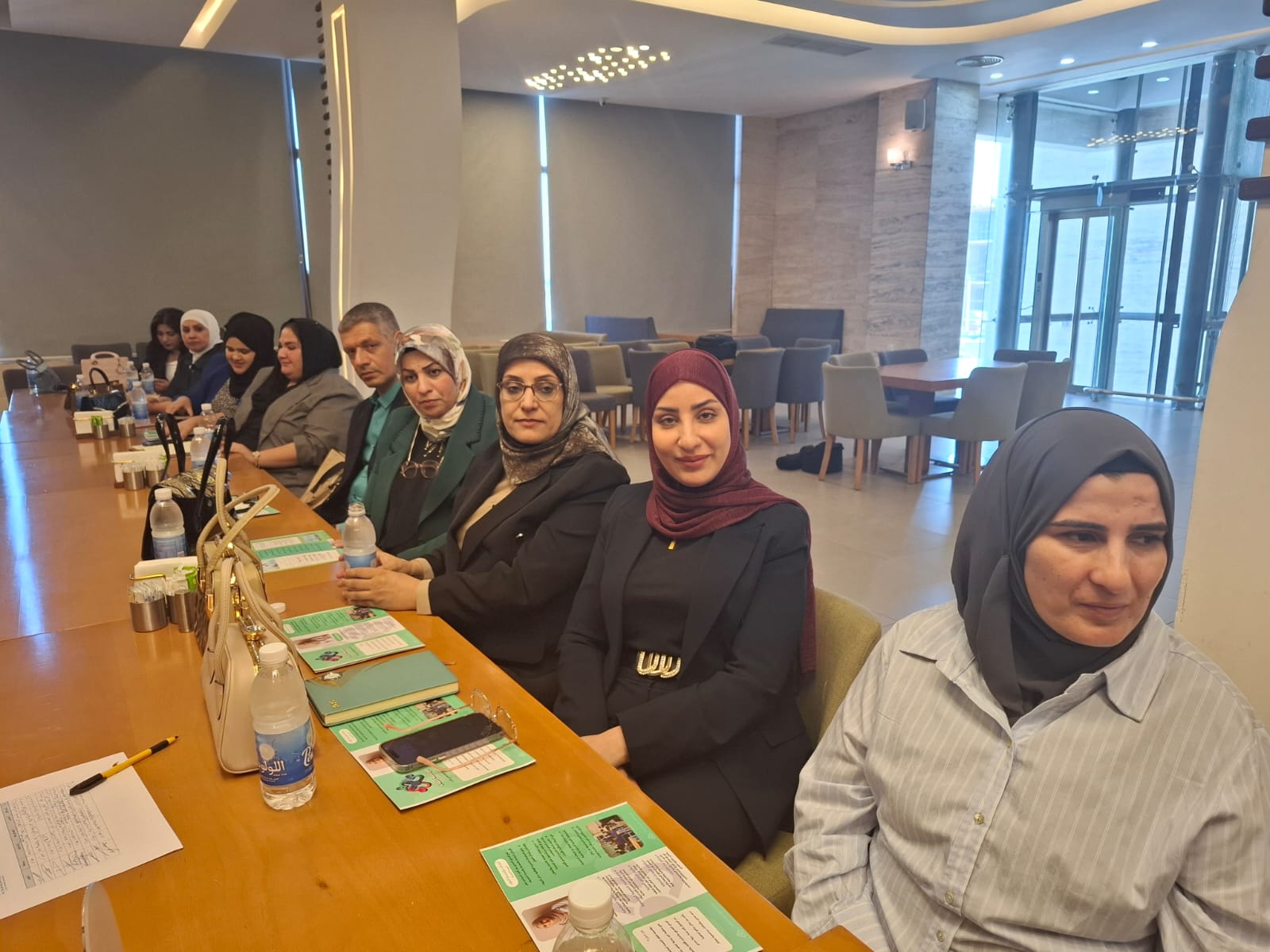
In post-conflict Iraq, women are not just survivors they are the backbone of recovery. When empowered with safety, education, and livelihoods, they feed their families, send children to school, heal communities through dialogue, and lead peacebuilding efforts. Their exclusion weakens entire societies; their inclusion builds resilience, drives economic growth, and fosters lasting stability. At Al-Liqaa Foundation, we believe empowering women isn’t charity it’s justice and strategy. Because when a woman thrives, her family prospers, her community heals, and Iraq moves closer to a future where dignity and opportunity are shared by all.

Our Integrated Approach

We advance women’s empowerment through a rights-based, intersectional, and multisectoral strategy that addresses barriers while unlocking opportunities across five key dimensions:

Economic Empowerment

We believe financial independence is foundational to women’s autonomy.
Provide $3,000 small business grants to female-headed households, traditional artisans, and women farmers to launch or scale income-generating activities.
Deliver vocational and green skills training from tailoring and food processing to solar energy installation aligned with local market needs.
Facilitate access to savings groups, microfinance, and value chain opportunities to sustain livelihoods beyond project cycles.

01

Protection & Safety

Safety is the first condition for empowerment.
Offer psychosocial support, counseling, and case management for survivors of gender-based violence (GBV) and conflict-related trauma. Operate a confidential helpline that connects women to protection services, legal aid, and emergency assistance.
Train community police, social workers, and local authorities on GBV prevention, response, and survivor-centered approaches.

02

Participation & Leadership

Women’s voices must shape the solutions that affect them.
Establish and support “Women for Peace” groups that lead community dialogues, mediate tensions, and advocate for inclusive reconciliation.
Create safe spaces for women to engage in local governance, peacebuilding forums, and disaster risk reduction planning.
Amplify women’s leadership in climate action, education committees, and social cohesion initiatives.

03

Access to Essential Services

Empowerment requires equitable access to health, education, and justice.
Integrate gender-sensitive WASH facilities in schools and public spaces to ensure dignity and safety.
Support girls’ and women’s access to formal and non-formal education, including accelerated learning and literacy programs.
Provide legal counseling and representation to help women claim rights to documentation, inheritance, and child custody.

04

Challenging Harmful Norms

Sustainable change requires shifting attitudes.
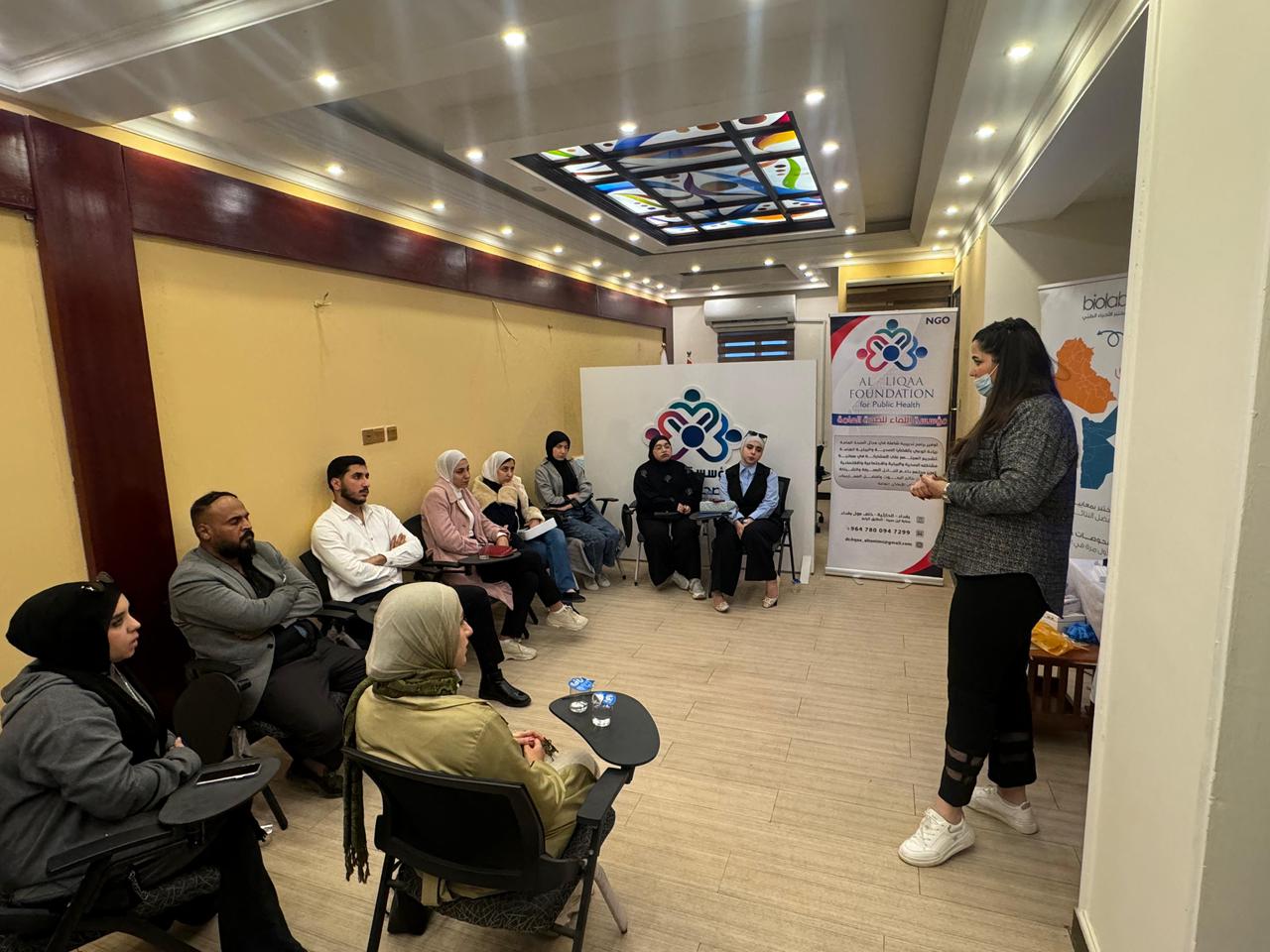
Conduct community awareness sessions on gender equality, coexistence, and women’s rights with men and boys as allies.
Engage religious and tribal leaders as champions for women’s participation and protection.
Use media and digital campaigns to counter stereotypes and celebrate women’s contributions to peace and development.

05